How to Register Your EV Charger with NEECA in Pakistan: Step-by-Step Guide
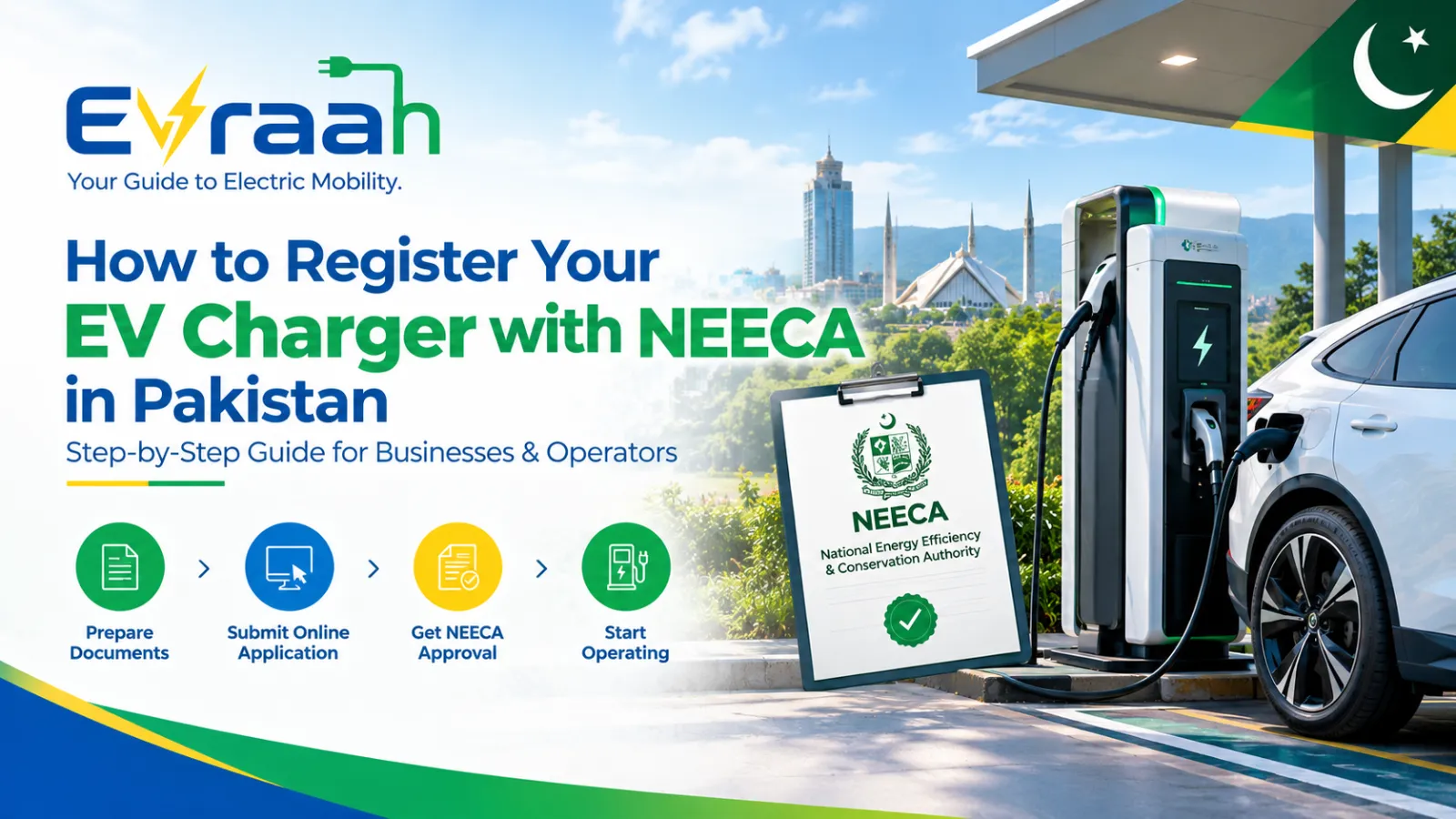
Pakistan's electric vehicle market is expanding rapidly. As more electric cars, commercial fleets, and businesses adopt EV technology, the need for safe and reliable charging infrastructure is increasing.
Installing an EV charger is not only about buying charging equipment. Businesses must also understand the regulatory requirements, approvals, documentation, and registration process before operating a charging station.
The National Energy Efficiency & Conservation Authority (NEECA) has introduced the Pakistan Electric Vehicles Charging Infrastructure and Battery Swapping Regulations 2024 to regulate Electric Vehicle Charging Stations (EVCS) and Battery Swapping Stations (BSS) in Pakistan.
These regulations create a framework for EV charging infrastructure within the service territories of K-Electric and NEPRA-licensed distribution companies.
This guide explains how to register an EV charger with NEECA, required documents, approvals, fees, technical requirements, and compliance steps for businesses and individuals.
Before operating an EV charging station, prepare your site documents, technical details, electricity approvals, required NOCs, and submit the registration application through the NEECA process.
Quick Answer: How to Register an EV Charger with NEECA?
The basic EV charger registration process involves the following steps:
Step 1: Prepare Your Location
- Finalize charging site
- Confirm ownership or lease
- Check electricity availability
Step 2: Prepare Technical Details
- Select charger type
- Confirm charging level
- Prepare specifications
Step 3: Collect Approvals
- Electricity approval
- Land permission
- Other required NOCs
Step 4: Submit Registration
- Complete online application
- Upload documents
- Submit registration fee
Before selecting a charging location, businesses can study existing infrastructure through the EV charging station map to identify current coverage and potential opportunities.
What Is NEECA EV Charger Registration?
The National Energy Efficiency & Conservation Authority (NEECA) is responsible for managing Pakistan's EV Charging Infrastructure and Battery Swapping Station regulatory framework.
Charging Infrastructure Record
- EV Charging Stations
- Battery Swapping Stations
- Technical information
Operator Information
- Company details
- Ownership information
- Authorized person details
Compliance Monitoring
- Safety requirements
- Inspection process
- Regulatory records
Which Regulations Apply?
The applicable framework is:
Pakistan Electric Vehicles Charging Infrastructure and Battery Swapping Regulations 2024
These regulations cover:
- Electric Vehicle Charging Stations (EVCS)
- Battery Swapping Stations (BSS)
| Coverage Area | Applicable Region |
|---|---|
| K-Electric Territory | Karachi electricity service area |
| NEPRA Licensed DISCO Areas | Other electricity distribution territories |
Who Needs NEECA EV Charger Registration?
Registration requirements may apply to different EV charging projects depending on their purpose, ownership, and operation model.
Charging Network Operators
Companies operating public charging networks or commercial charging services should evaluate NEECA registration requirements before launching operations.
Fuel Station Owners
Fuel stations adding EV charging facilities should prepare regulatory documents and electricity requirements before installation.
Commercial Buildings
Malls, offices, hotels, and parking facilities installing chargers should review applicable registration requirements.
Fleet Operators & Individuals
Private companies, fleets, and individuals may establish EV charging facilities after completing applicable requirements.
Step-by-Step NEECA EV Charger Registration Process
Once the required documents and approvals are prepared, applicants can proceed with the EV charger registration process.
Step 1: Finalize Your EV Charging Site
Before applying, make sure your charging location is properly planned.
- Confirm ownership or legal permission
- Finalize parking arrangement
- Check electricity availability
- Evaluate customer accessibility
- Plan future expansion space
Step 2: Select Charging Equipment
Finalize charger details before submitting your application.
- Charger manufacturer
- Model information
- Charging level
- Power capacity
- Connector types
- Number of charging points
Businesses should understand charging standards before selecting equipment. EVraah's
EV charging connectors guide can help compare different connector options.
Step 3: Complete Required Approvals
Depending on your location, additional approvals may be required before operation.
- Electricity connection approval
- Property owner permission
- Municipal permissions
- Environmental approvals where applicable
- Highway authority approval for road locations
For motorway and highway charging projects, operators should review requirements from the National Highway Authority (NHA) where applicable.
Step 4: Prepare Registration Application
The application should include complete and accurate information about:
- Applicant details
- Charging location
- Electricity arrangement
- Charger specifications
- Supporting documents
Step 5: Submit Online Application
Applicants submit their EVCS/BSS registration application through the NEECA registration process.
- Complete required fields
- Upload supporting documents
- Attach payment evidence
- Submit application for review
Step 6: Review and Registration Approval
After receiving a complete application, NEECA reviews the submitted information and issues registration approval according to applicable procedures.
NEECA EV Charger Registration Fee
Applicants should submit the required registration fee during the application process.
| Service | Fee |
|---|---|
| EV Charging Station Registration | PKR 50,000 |
Registration fees and procedures may change. Applicants should confirm the latest requirements directly from NEECA before submission.
Annual Inspection Fees for EV Charging Stations
Registered charging stations may require annual inspection fees depending on charging level.
| Charging Level | Annual Inspection Fee |
|---|---|
| Level 2 | PKR 35,000 |
| Level 3 | PKR 50,000 |
| Level 4 | PKR 65,000 |
| Level 5 | PKR 80,000 |
Payment Method for NEECA Registration
Applicants should follow NEECA payment instructions when submitting registration fees.
- Prepare payment document
- Keep payment reference details
- Upload required payment evidence
- Maintain records for future reference
Technical Requirements for EV Charging Stations
EV charging stations should be designed and installed according to safety and technical requirements. The exact requirements depend on charger capacity, location, and installation type.
Electrical Safety
- Proper electrical wiring
- Protection systems
- Earthing arrangements
- Safe installation practices
- Qualified electrical professionals
Power Management
- Load assessment
- Electricity connection planning
- Metering arrangements
- Energy monitoring
Charging Equipment
- Approved charger specifications
- Manufacturer information
- Charging standards
- Connector compatibility
Safety Measures
- Charging bay markings
- Safety signs
- Cable management
- Emergency procedures
- Fire safety arrangements
Existing EV Chargers and Registration Requirements
Businesses that already installed EV chargers should review whether their installation falls under current registration requirements.
Previously installed EV Charging Stations and Battery Swapping Stations may still need registration according to applicable regulatory requirements.
Situations Requiring Review
- Adding new charging points
- Increasing charging capacity
- Changing operator ownership
- Relocating charging equipment
- Major technical modifications
Planning Your EV Charging Business After Registration
Registration is only one part of building a successful EV charging business. Operators should also evaluate demand, customer behaviour, pricing, and competition.
Market Research
Study nearby charging stations, EV adoption, and customer demand before expansion.
Explore EV charging networksLocation Planning
Analyze traffic patterns, parking duration, and charging requirements.
Explore EV charging locationsEV Charger Requirements by Installation Location
Different EV charging locations have different planning requirements. The approval process may remain similar, but site preparation, electricity needs, and operational considerations can vary significantly.
Fuel Station EV Charger Requirements
Fuel stations are among the most suitable locations for EV charging because they already have vehicle traffic, parking space, and customer facilities.
- NEECA registration
- Electricity load assessment
- Property permission
- Safety planning
- Highway approval where applicable
For highway-based charging projects, operators should review National Highway Authority requirements before installation.
Recommended: DC fast charging for high-traffic locations.Motorway and Highway Charging Stations
Motorway charging locations require additional attention because vehicles stop for short periods and need reliable fast charging.
- Road access planning
- Safety arrangements
- Power availability
- High-capacity charging equipment
- Relevant highway permissions
Businesses planning motorway infrastructure can also explore: EV charging stations on Pakistan motorways .
Recommended: DC fast charging.Shopping Mall EV Charger Requirements
Malls are ideal destination-charging locations because customers already spend time shopping, dining, and parking.
- Parking management approval
- Electrical capacity review
- Customer access planning
- Charging bay allocation
Businesses can study existing charging coverage through the EV charging station map before selecting commercial locations.
Recommended: AC destination chargers with selected DC chargers.Office Building EV Chargers
Office charging works well because vehicles remain parked for several hours.
- Building owner approval
- Parking allocation
- Employee charging policy
- Electricity management
Hotel and Resort EV Charging
Hotels can use EV chargers as a premium service for guests and visitors.
- Guest parking planning
- Overnight charging capability
- Safe charging area
- Customer access management
Tourism businesses can also evaluate demand through EV charging locations by city .
Recommended: AC destination charging.Residential EV Charging
Residential charging requires careful planning because parking, electricity billing, and access control can become challenging.
- Society/building approval
- Parking assignment
- Electricity billing method
- Safety arrangements
Common Mistakes During NEECA Registration
Many applications face delays because businesses start installation planning without preparing the required information.
Incomplete Documentation
Missing ownership documents, technical details, or approval records can delay application review.
Ignoring Electricity Requirements
A location may have strong demand but insufficient electrical capacity for planned chargers.
Choosing the Wrong Charger Type
The charger should match customer parking duration and location purpose.
Assuming Registration Covers Everything
NEECA registration does not replace electricity, property, highway, or other applicable approvals.
After Registration: Operator Responsibilities
Registration approval is only the beginning. Operators should continue maintaining safe and compliant charging operations.
Maintain Equipment
- Regular inspections
- Software updates
- Safety checks
- Equipment maintenance
Update Information
- Ownership changes
- Operator changes
- Capacity upgrades
- Major modifications
Final NEECA EV Charger Registration Checklist
- Charging location finalized
- Ownership/lease documents prepared
- Electricity requirements checked
- Technical charger details collected
- Required approvals identified
- Application information completed
- Supporting documents uploaded
- Registration fee submitted
- Safety requirements reviewed
- Operational plan prepared
Frequently Asked Questions
Is NEECA registration mandatory for EV chargers in Pakistan?
EV Charging Stations and Battery Swapping Stations fall under the NEECA regulatory framework. Businesses should confirm their specific requirements before operation.
How much is the EV charger registration fee?
The EV charging station registration fee is PKR 50,000 according to the published regulatory framework.
Can individuals register EV charging stations?
Yes. Individuals, companies, and associations can establish charging infrastructure by completing applicable requirements.
Do motorway chargers need additional approval?
Yes. Highway and motorway locations may require additional permissions from relevant road authorities.
Do malls and hotels need EV charger registration?
Commercial charging installations should evaluate NEECA requirements along with property and electricity approvals.
Where can businesses find existing EV charging locations?
Businesses can explore current charging coverage through the EV charging station map and understand available operators through EV charging networks in Pakistan .
Conclusion
Registering an EV charger with NEECA is an important step for businesses building EV charging infrastructure in Pakistan. However, successful charging projects require more than completing paperwork.
Operators need the right location, suitable charging equipment, reliable electricity, proper documentation, and ongoing compliance management.
Whether you are planning a highway charging hub, mall charging station, workplace charger, hotel facility, or fleet charging depot, understanding regulations before investment can reduce delays and improve long-term success.
Start with location research, confirm regulatory requirements, prepare complete documents, and verify approvals before purchasing charging equipment.
Businesses planning EV infrastructure can continue researching through EVraah resources including: EV charging locations , EV charging networks , and EV charging guides covering costs, connectors, and installation planning.
Regulations, fees, forms, and approval procedures may change over time. Always verify the latest requirements directly with NEECA and relevant authorities before submitting an application.
Written by
Naeem
Naeem works in research and feasibility planning by day, and writes for Evraah on the side — mostly because EVs turned out to be more interesting than he expected. With 5+ years spent digging through data and assessing what's actually viable versus what just sounds good on paper, he brings the same habit to writing about EV routes, charging networks, and where the infrastructure is realistically headed. No grand mission, just a genuine curiosity about how this space is evolving — and a quiet hope that charging a car stops being a whole ordeal someday.
Related blogs
More from Pakistan EV News.
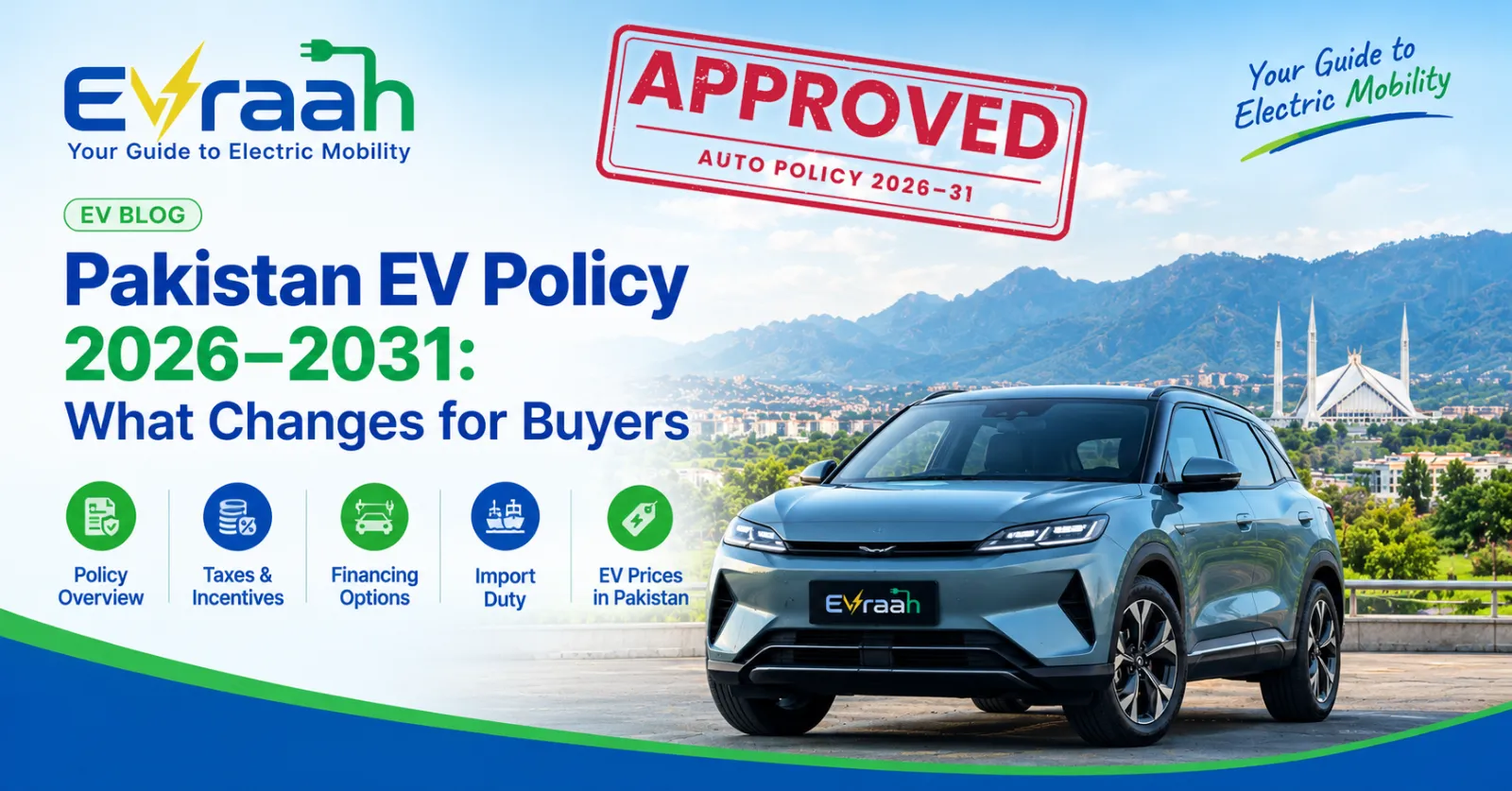
Pakistan New EV Policy 2026-2031: What Changes for Buyers
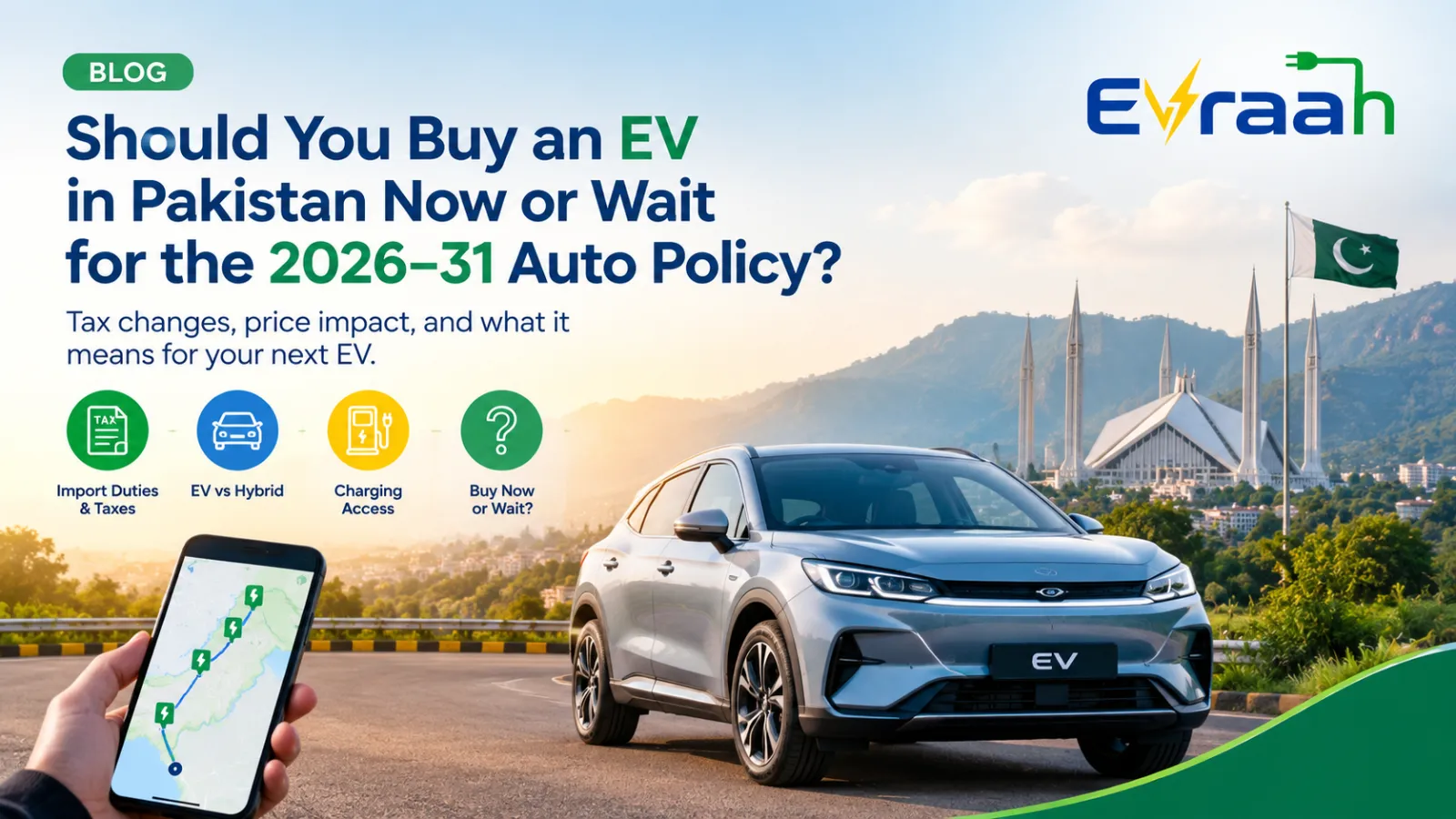
Should You Buy an EV in Pakistan Now or Wait for the 2026–31 Auto Policy?
Pakistan's New Auto Policy Could Give EVs a Major Tax Boost
You may also like
 Buying Guides
BYD Atto 3 Price in Pakistan 2026: Specs, Range and Charging Cost
4 min read · 19 Oct 2026
 Buying Guides
BYD Atto 2 Price in Pakistan 2026: Specs, Range, Features and Charging Cost
6 min read · 14 Oct 2026
 Charging Guides
Can You Charge an EV With Solar Panels in Pakistan?
5 min read · 13 Oct 2026